A Distress Call And What To Do
When You See a Distress Signal: What Every Boater Needs to Know
You’re out on the water having a great day when you spot something off—a boat dead in the water, someone frantically waving, maybe a flare arcing across the sky. What do you do?
Most of us hope we never have to answer that question. But the reality is, if you spend enough time on the water, you’re going to see someone in trouble. Knowing how to respond—and when it’s safe to help—can make all the difference.
The Signals You’re Most Likely to See
Let’s keep this practical. We’re not talking about obscure maritime flags or gear most weekend boaters don’t carry. Here’s what you’ll actually encounter:
During the Day:
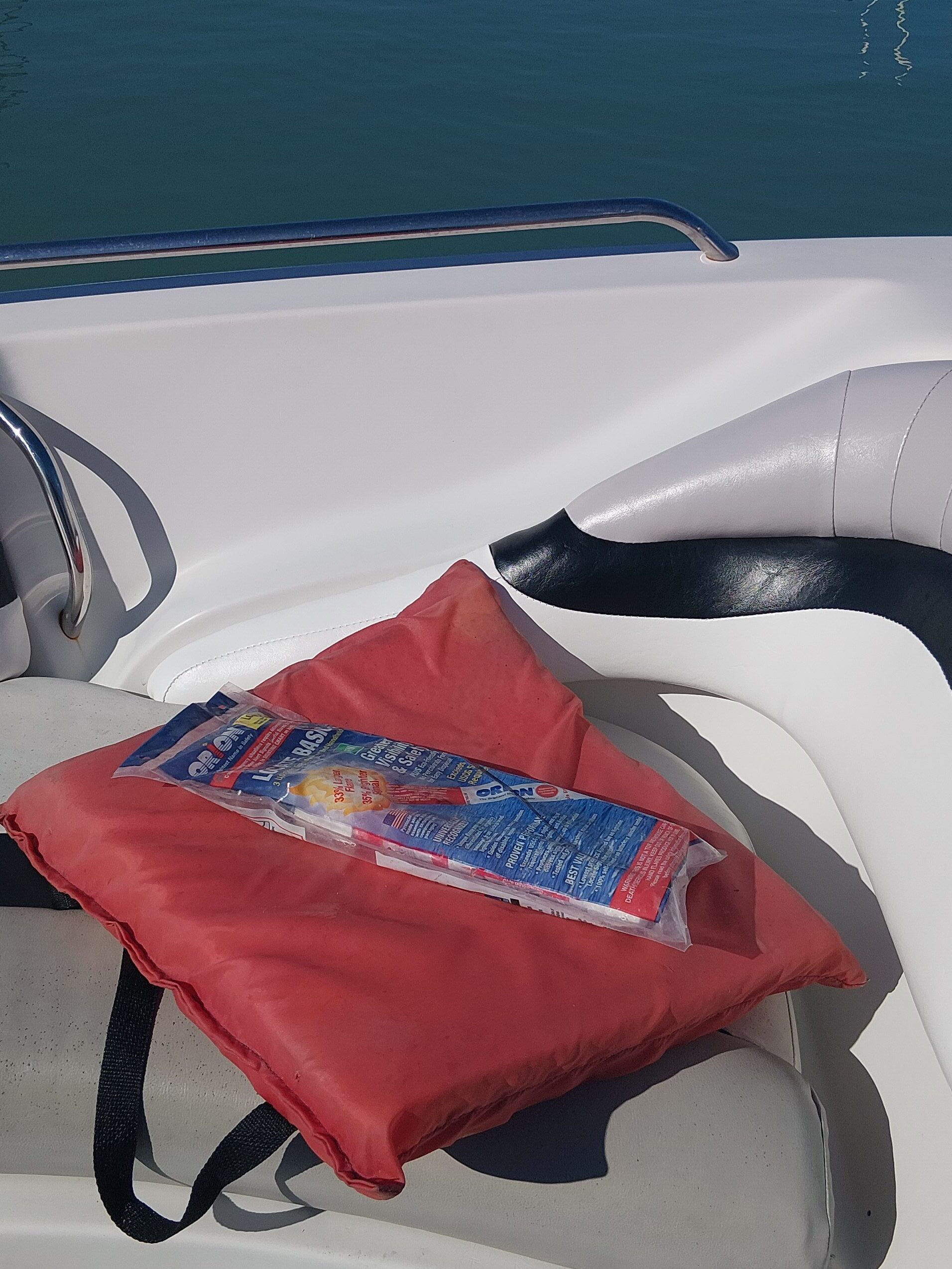
- Red flares (hand-held or aerial)
- Orange smoke signals
- Someone repeatedly raising and lowering their arms
- Really anything that looks like frantic waving or signaling
At Night:
- Red flares (the most obvious)
- A flashlight blinking SOS (···—···)
- Electric distress lights flashing
On the Radio:
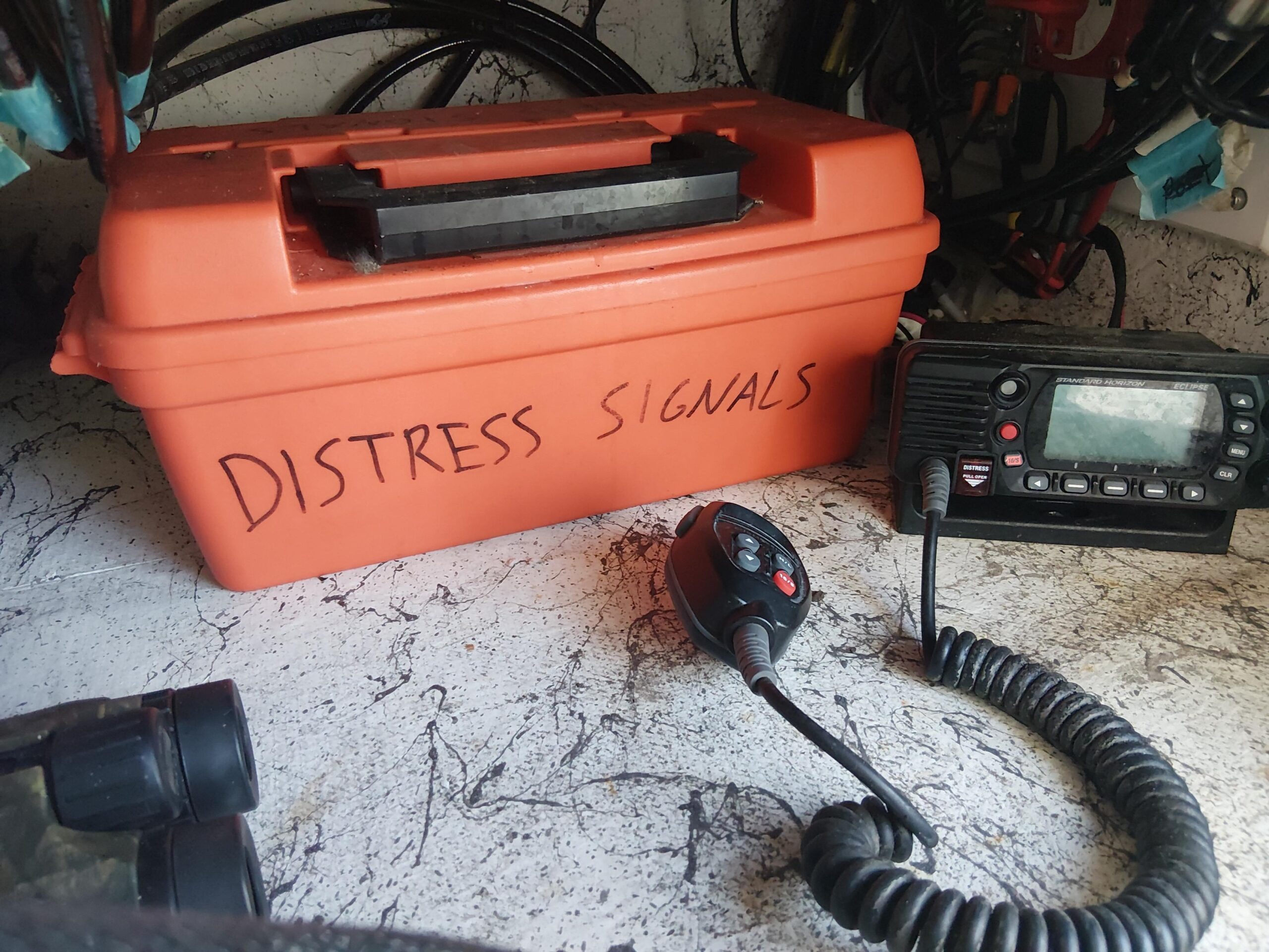
- VHF Channel 16: “MAYDAY” for life-threatening situations
- “PAN-PAN” for urgent problems that aren’t immediately deadly
- Sometimes just someone calling for help in a panicked voice
Sound:
- Continuous blasts on a horn or whistle (not the courtesy toot—something sustained and repetitive)
If you see or hear any of these, someone’s having a bad day. Time to figure out what you can do about it.
Your Legal (and Moral) Responsibility
Here’s the deal: maritime law says if you can safely help, you’re supposed to help. The key word there is safely. You’re not required to put yourself, your passengers, or your boat at serious risk. But if you can lend a hand without creating another emergency, you should.
Good news: federal law protects Good Samaritans who render aid in good faith. As long as you’re not being reckless or negligent, you’re covered if something goes wrong while you’re trying to help.
Step One: Call It In
Before you do anything else, get on Channel 16 and notify the Coast Guard or local authorities. Give them:
- Your position (GPS coordinates if you’ve got them)
- What you’re seeing (flare, capsized boat, person in the water, etc.)
- Number of people involved if you can tell
- Whether you’re able to assist
Even if you’re planning to help, make that call. Professionals need to know what’s happening and where.
Assess the Situation
Take a breath and think before you charge in. Ask yourself:
- Can I safely get to them without running aground, hitting debris, or putting my boat in danger?
- Do I have the equipment and manpower to actually help? (A 20-foot boat can’t tow a 40-foot yacht in heavy seas)
- Is the weather or sea state going to make this worse?
- Are there hazards I’m not seeing—fire, fuel in the water, submerged wreckage?
If the answer to any of these is “this could go sideways fast,” stay on scene, keep eyes on the situation, relay information to authorities, and wait for professionals with better equipment.
A Real-World Rescue
Let me tell you about the wildest one I’ve responded to. I was out on the water when I heard chatter on Channel 16 about a capsized boat. I was experienced, nearby, so I headed over.
When I got there, I couldn’t find the boat. What I did find were five people in the water, clinging to floating debris. None of them were wearing lifejackets. These were bigger folks, completely gassed from treading water, and they couldn’t help us get them aboard. My boat didn’t have emergency lights, and normal traffic kept ripping past us at full speed, throwing wakes that made everything harder.
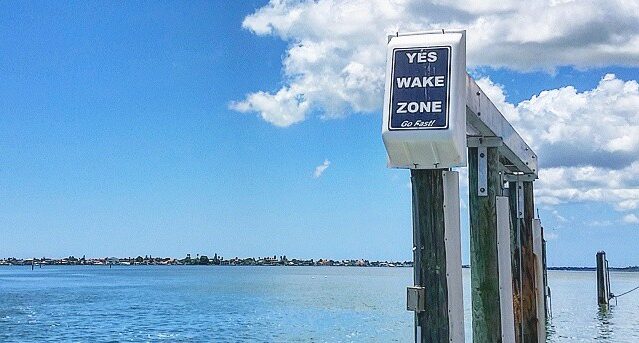
Another boat showed up with diver flags, which they flew to try getting people to slow down—though half the boats out there didn’t seem to notice or care. We tied our boats hip-to-hip to create a bigger platform at the stern and combined crews to haul everyone out of the water.
We got all five people to a nearby boat ramp and onto land a full six minutes before any emergency services arrived. I’m not sure all of them would’ve lasted another six minutes in the water.
While we were pulling people out, someone on the other boat was on Channel 16 the whole time, relaying our progress and telling responders which ramp we were heading to so EMS could meet us there. That coordination made all the difference.
What You Can Actually Do
Depending on what’s happening, here’s how you can help:
Mechanical Failure / Disabled Vessel:
- Offer a tow if you’ve got the power and the right gear
- Stay with them until help arrives if towing isn’t an option
- Share contact info and report the incident
Running Aground:
- Assess if you can safely pull them off (watch your own depth!)
- If they’re stuck hard or in danger, evacuate passengers and wait for professionals
- Sometimes the tide does the work—just keeping them company matters
Taking on Water:
- Time-critical—get people off the boat if it’s going down
- If it’s a slow leak and they’ve got pumps working, you might be able to assist or provide extra pumps
- Don’t board a sinking vessel unless you absolutely have to
Person Overboard:
- Start searching immediately, keep eyes on them
- Approach carefully (props are deadly)
- Have flotation ready to throw
- Get on the radio fast—more eyes on the water help
Medical Emergency:
- Coordinate with Coast Guard for evacuation or rendezvous with EMS
- If you’ve got medical training and supplies, offer them
- Sometimes the fastest option is getting them to shore yourself
Out of Fuel:
- Easy one—tow them in or transfer fuel if you’ve got extra and the right setup
- Just don’t create a spill doing it
The Hard Truth About Lifejackets
That capsized boat story? Five people in the water, zero lifejackets. This happens way more than it should. When you’re responding to someone in distress, don’t assume they’re wearing PFDs. They probably aren’t. Factor that into your approach and how quickly you need to act.
And while we’re on the subject—wear yours. You never think you’re the one who’s going to end up in the water until you are.
When NOT to Help
Sometimes the best thing you can do is stay back and be another set of eyes. If:
- The situation involves fire or hazardous materials
- The sea state or weather makes an approach too risky
- You don’t have the equipment or experience to help
- There’s active violence or conflict on the other vessel
Then your job is to relay information, mark the position, keep watch, and let professionals handle it.
The Bottom Line
Most boaters go their whole lives without responding to a serious distress call. But if you’re the one who happens to be there, you’ll be glad you knew what to do. Stay calm, call it in, assess the risks, and help if you safely can.
The water can turn on you fast. We’re all out here together, and sometimes that means being the person someone else desperately needs.
Stay safe, stay alert, and keep Channel 16 on.